
Hotels are more than places to stay — they are environments that embody atmosphere, emotion, and rhythm. Each space, from the lobby to the suite, tells a story about welcome, belonging, and care.
At COOOP, hotel interior design begins with understanding people. We study how guests arrive, move, and rest; how they connect, retreat, and recharge. Our Design for Behaviour approach ensures interiors are not only visually elegant but function intuitively. Every detail serves the experience, enhancing comfort, efficiency, and connection.
Hotel design is an act of choreography. It balances privacy with community, calm with energy, and aesthetics with operation — creating a seamless journey that guests feel rather than analyse.


The Power of Interior Design in Hospitality
Interior design defines the emotional language of a hotel. It determines how guests interpret luxury, comfort, and hospitality. A well-considered interior influences the length of stay, repeat visits, and perception of service quality.
Design aligns brand vision with human experience. The moment a guest crosses the threshold, they should sense coherence — a story told through material, colour, light, and proportion. This story unfolds subtly across public and private spaces, creating continuity between each moment of the stay.
Our philosophy integrates visual harmony with sensory depth. Lighting, texture, and spatial rhythm work together to form a cohesive identity that feels natural and memorable.
Spatial Narrative and Guest Flow
Every hotel interior is built around a narrative of movement. Guests transition from public arrival to private retreat, encountering a sequence of experiences that should feel intuitive and welcoming.
Spatial design considers this flow in detail:
-
The lobby sets the emotional tone, combining presence and pace.
-
The corridors connect rhythmically, allowing moments of pause without disruption.
-
The guest room becomes the sanctuary — a space for rest, reflection, and renewal.
-
The restaurant and bar encourage social energy while maintaining intimacy.
-
The wellness zones restore balance through calm and sensory alignment.
Design unites these zones with consistency of light, material, and tone, ensuring transitions feel effortless.

The Emotional Landscape of Design
Hotels succeed when they evoke feeling. The interior environment becomes a sensory landscape — sight, sound, touch, and scent working together to influence emotion.
Warm lighting invites relaxation. Natural materials foster authenticity. Acoustics control energy. The tactile quality of a handle or the weight of a curtain all contribute to the emotional memory of place.
These small details carry meaning. Guests may not articulate them, but they sense their presence through comfort and ease. Every layer of a hotel’s interior contributes to that unspoken understanding — that they are being cared for through design.
Materiality and Texture
Material selection in hotel interiors is about more than aesthetics. It defines identity, durability, and sensory tone.
Natural materials such as stone and timber age gracefully, developing character over time. Upholstery and textiles introduce warmth and acoustic balance. Metallic accents add reflection and depth.
The combination of these materials shapes atmosphere. A coastal resort may favour organic, light-toned finishes that invite openness, while an urban hotel may rely on layered texture and contrast to evoke intimacy and sophistication.
Through thoughtful materiality, design becomes tangible — a physical translation of the brand’s emotional intent.

Light and Atmosphere
Light shapes how people perceive space. It guides emotion, marks transitions, and creates connection between interior and exterior.
In hotel design, lighting performs multiple roles. It must provide clarity for function while supporting mood for rest. Layered lighting — ambient, accent, and task — gives depth and flexibility.
Natural light enhances wellbeing, revealing material honesty and creating subtle variation throughout the day. At night, carefully balanced artificial light provides intimacy and calm.
The best hotel interiors adapt to changing conditions, allowing light to transform space from morning brightness to evening warmth.
Behavioural Insight and Human Experience
Designing for behaviour ensures hotel interiors respond to how people naturally move, feel, and interact. This understanding transforms design from decorative to experiential.
Behavioural insight informs:
-
Spatial rhythm: Balancing openness with retreat.
-
Furnishing layout: Supporting conversation, work, or relaxation.
-
Sensory cues: Guiding guests intuitively through changes in tone or purpose.
By designing from the perspective of the user, hotels become emotionally intelligent — anticipating needs and creating harmony between guest and environment.
Function and Flow Behind the Scenes
Behind every seamless guest experience lies an efficient operational design. Circulation for staff, service areas, and maintenance must align invisibly with public spaces.
A well-planned interior supports functionality without compromising aesthetic integrity. Thoughtful zoning ensures that back-of-house operations remain discreet, while proximity and accessibility optimise efficiency.
Designing these systems from the outset enables hotels to deliver high-quality service consistently while maintaining spatial elegance.
Wellness and Leisure Integration
Modern hospitality increasingly blurs boundaries between accommodation, wellness, and leisure. Guests seek experiences that restore energy and balance.
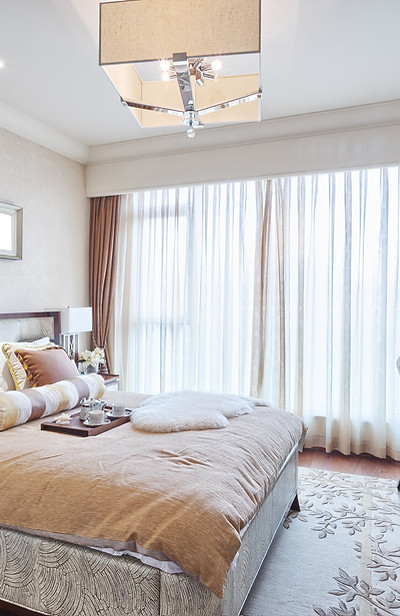
Integrating wellness into hotel interiors involves more than spa design. It’s about creating a holistic sense of calm through spatial proportion, natural light, material choice, and acoustic control.
Spaces for relaxation, fitness, or meditation should feel connected to the hotel’s overall design language, ensuring consistency of mood and purpose. This balance enhances both the guest experience and long-term brand value.
Sustainability in Hotel Interiors
Sustainability is essential to meaningful hospitality design. Guests are increasingly conscious of environmental impact and seek spaces that align with responsible values.
Our approach integrates sustainability without compromise:
-
Materials sourced responsibly with low embodied energy.
-
Finishes designed for longevity and easy maintenance.
-
Energy-efficient lighting and systems that reduce consumption.
-
Waste-conscious construction methods and lifecycle awareness.
Sustainable design is not a trend but a foundation. It ensures that hotels operate efficiently, age gracefully, and contribute positively to their environment.
Collaboration and Process
Every hotel interior project is the result of collaboration between designers, architects, clients, and operators. Our process ensures creativity is supported by clarity, communication, and precision.
1
Understanding Vision
Each project begins with an exploration of brand, audience, and aspirations, forming a clear brief that guides design intent.
2
Concept Development
We craft a design direction through mood boards, material palettes, and spatial planning that express the brand’s personality.
3
Design Development
Technical drawings, FF&E schedules, and documentation ensure concepts are translated into practical, buildable solutions.
4
Implementation
Close collaboration with construction and procurement teams maintains design integrity during build.
5
Review and Adaption
Observation post-completion provides insight into performance and opportunities for continual refinement.
This integrated process ensures design excellence from vision to completion.
Local Character and Brand Identity
Successful hotels feel rooted in their location yet consistent with their brand identity. This balance of global recognition and local authenticity defines the guest experience.
We study the geography, climate, and culture of each site to reflect its essence within the interior. In regional settings, this may include materials that echo landscape tones or craftsmanship that honours local tradition. In urban hotels, design might express energy through rhythm, texture, and light.
This dialogue between brand and place ensures interiors feel both familiar and distinctive — timeless yet contextual.

The Evolution of Hotel Interiors
Hospitality continues to evolve. Modern travellers seek authenticity, adaptability, and connection. The hotel interior has become more than a backdrop — it’s an active participant in the guest’s story.
Contemporary design merges personalisation with universality. Spaces serve multiple purposes: socialising, working, resting, and wellness. The boundaries between lobby, lounge, and workspace blur as guests redefine how they inhabit space.
Technology, too, continues to influence experience — from intelligent lighting to integrated environmental control. Yet, even as innovation grows, the essence remains the same: genuine human connection delivered through thoughtful design.
Frequently Asked Questions
What defines hotel interior design?
It is the practice of shaping interior environments that support comfort, brand identity, and guest experience within hospitality settings.
How does interior design differ from hotel architecture?
Architecture sets structure; interior design defines emotion, atmosphere, and function within that framework.
Do you design both boutique and large-scale hotels?
Yes. Our approach adapts to context, scale, and operational requirements while maintaining design integrity.
How do you integrate brand identity into hotel interiors?
Through colour, material, spatial rhythm, and lighting that reflect brand values and audience expectations.
What role does lighting play in hotel design?
Lighting defines mood, supports function, and creates emotional transitions across spaces.
Can hotel interiors be both luxurious and sustainable?
Yes. Durability, material honesty, and responsible sourcing create sustainable luxury.
How do you approach wellness within hotel interiors?
By creating environments that support calm, natural light, and sensory balance.
How do you manage flow between public and private spaces?
Through zoning, visual hierarchy, and intuitive transitions that balance energy and rest.
What is the most important aspect of hotel interior design?
Harmony — when architecture, atmosphere, and human behaviour align to create meaningful experience.
Why collaborate with COOOP?
Our work is grounded in human understanding. We design interiors that respond to behaviour, emotion, and context, creating environments that feel considered and complete.