
Workplaces today are more than offices. They are social ecosystems where collaboration, focus, and wellbeing coexist. In Adelaide, businesses are redefining their environments — moving away from rigid layouts toward warm, flexible, and human-centred spaces that support culture and connection.
At COOOP, our office interior design approach draws from hospitality and behavioural design. We focus on how people gather, communicate, and rest during the rhythm of a workday. By understanding flow, comfort, and emotion, we craft offices that feel natural to use and uplifting to inhabit.
Design for Behaviour turns office planning into a form of choreography — aligning design intent with the human need for belonging, clarity, and purpose.
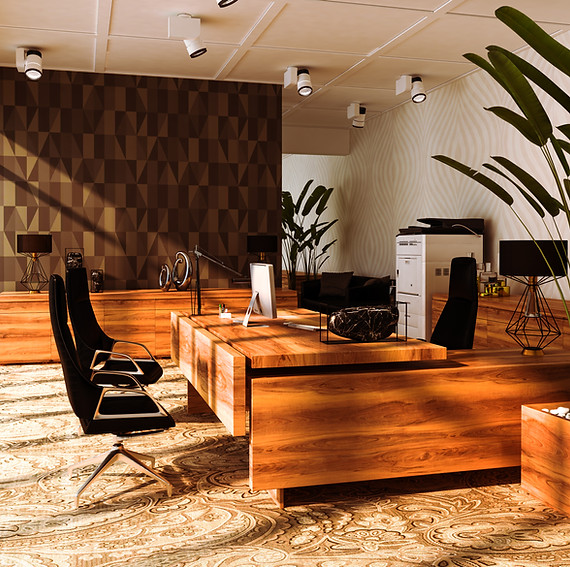

The Workplace as Experience
Every workplace tells a story about its people. The design of an office shapes culture before a word is spoken.
We begin by understanding the patterns of work that define a team — the balance between focus and interaction, formality and openness, technology and human presence. From this insight, design becomes more than layout; it becomes experience.
Lighting, colour, texture, and proportion influence how people think, feel, and collaborate. A carefully designed office supports creativity through calm, clarity, and rhythm. It allows employees to move effortlessly from concentrated tasks to social connection.
Local Identity and Context
Adelaide’s professional landscape reflects its city — calm, collaborative, and adaptable. Offices here thrive when they reflect that tone.
From restored sandstone buildings in the East End to modern workplaces overlooking Victoria Square, Adelaide’s architecture invites daylight, balance, and restraint. We use these qualities as the foundation for interior design.
Local craftsmanship and natural materials — timber, wool, stone, and recycled metal — create a tactile connection to place. By embedding local reference within global design thinking, each office feels distinct yet authentically Adelaidean.
Space, Light, and Flow
Spatial planning defines how people feel at work. Clear pathways, visual rhythm, and natural light improve focus and wellbeing.
The workplace is organised into zones that follow energy through the day.
-
Arrival: A calm entry that reflects identity and sets the emotional tone.
-
Focus Zones: Environments that reduce distraction through acoustic control and considered lighting.
-
Collaboration Spaces: Informal and formal settings where conversation flows easily.
-
Breakout Areas: Hospitality-inspired lounges that invite pause and reconnection.
Circulation between these zones should feel intuitive. Light shifts, floor texture changes, and ceiling height variations signal transitions naturally, without the need for signage or instruction.

Atmosphere and Materiality
Material choices shape how an office feels. Hard materials like glass and metal express precision and lightness, while timber and textiles introduce warmth and comfort. The right balance avoids sterility and clutter alike.
Colour palettes in Adelaide often reflect the environment — soft neutrals, clay tones, and muted greens that echo the surrounding hills and coast. Acoustic panels and upholstered furniture absorb sound and add visual softness.
Lighting layers are critical. Daylight is maximised through transparency and reflection, while artificial light adds flexibility. Adjustable systems allow the same workspace to shift from energy in the morning to calm in the afternoon.

Collaboration and Wellbeing
Workplaces should encourage connection without losing focus. Informal collaboration areas, quiet rooms, and hospitality-inspired lounges foster a healthy rhythm between solitude and interaction.
Wellbeing design integrates comfort and control. Ergonomic furniture, adjustable lighting, and access to natural ventilation allow people to personalise their environment. Indoor greenery and views to nature provide mental rest. Acoustic comfort keeps energy balanced.
Adelaide’s climate allows outdoor working terraces and courtyards to extend collaboration spaces year-round, blurring boundaries between inside and out.
Behavioural Design in the Workplace
Design for Behaviour brings empathy to commercial interiors. It studies movement patterns, emotional responses, and unconscious behaviour.
In the office, this translates to:
-
Spatial zoning that mirrors workflow and hierarchy.
-
Visual privacy where focus is needed without isolation.
-
Proximity and adjacency that support informal mentoring and teamwork.
-
Environmental cues that indicate pace and activity through material and light.
This behavioural lens transforms efficiency into comfort and performance into culture.

Sustainability and Longevity
A sustainable office supports both environment and people. Adelaide’s business community increasingly values resource efficiency and local production.
We specify materials with long life and low impact — FSC-certified timber, recycled content flooring, low-VOC finishes, and energy-efficient systems. Adaptive reuse of existing buildings is common in Adelaide; we integrate new layers with respect for original fabric to preserve embodied energy.
Sustainability also means designing spaces that adapt to future needs. Modular furniture, reconfigurable meeting rooms, and flexible service grids ensure longevity.
Technology Integration
Technology supports work when it stays invisible. Data and power management are concealed within furniture and floors. Audio-visual systems integrate seamlessly for hybrid collaboration. Lighting and climate respond automatically to occupancy and daylight, enhancing comfort and reducing energy use.
Smart systems are calibrated for simplicity. The goal is quiet efficiency — innovation that feels human rather than mechanical.
How We Work
1
Brief and Discovery
We begin with listening — understanding business goals, team size, brand culture, and desired atmosphere.
2
Concept Design
We create spatial narratives, test layouts, and develop visual direction. Mood boards explore texture, tone, and light.
3
Design Development
Detailed documentation covers joinery, lighting, acoustics, and finishes. Services and structure are coordinated to maintain design integrity.
4
Implementation
We collaborate with builders and suppliers, ensuring every detail supports function and comfort.
5
Post-Occupancy Review
After completion, we observe how people use the space, gathering insights for continual improvement.
This process ensures offices evolve from intention to experience with clarity and care.
Frequently Asked Questions
What defines modern office interior design in Adelaide?
A balance of collaboration, comfort, and hospitality — spaces that reflect culture and encourage people to thrive.
How is behaviour integrated into design?
Through spatial planning, sensory design, and observation of how people move and communicate.
Can existing offices be redesigned without relocation?
Yes. Many Adelaide projects involve staged upgrades or adaptive reuse, maintaining operations while improving atmosphere.
How does lighting affect productivity?
Natural light enhances focus and mood; layered artificial lighting provides flexibility and reduces fatigue.
What role does acoustics play?
Acoustic balance improves concentration and communication, reducing stress and noise distraction.
How is sustainability achieved?
Through long-lasting materials, energy-efficient systems, and adaptive planning for future flexibility.
Do you incorporate biophilic design?
Yes. Natural materials, indoor plants, and views to landscape create comfort and connection.
What types of offices do you design?
Corporate headquarters, creative studios, co-working spaces, and boutique professional environments across Adelaide and nearby regions.
Can technology and warmth coexist?
Absolutely. Technology is integrated discreetly to enhance function while preserving aesthetic calm.
Why collaborate with COOOP?
Because our designs merge hospitality and workplace thinking, creating environments that foster comfort, collaboration, and culture.