
Adelaide’s hotels blend local authenticity with international expectation. From heritage-listed boutique stays in the CBD to contemporary vineyard retreats across McLaren Vale and the Barossa, design plays a central role in shaping how visitors connect with place.
At COOOP, we approach hotel interior design as the art of creating atmosphere through understanding. Every project begins with how guests move, feel, and interact — aligning form and function through our Design for Behaviour philosophy.
Our interiors draw on the cultural and environmental qualities that define South Australia. They are designed to reflect the state’s relaxed confidence, warmth, and natural light — creating spaces that feel timeless, contextual, and emotionally resonant.


Designing the Adelaide Hotel Experience
Adelaide’s hospitality landscape is evolving rapidly. The city attracts both leisure and business travellers who expect thoughtful design that supports comfort, connection, and sustainability.
Hotel interiors influence the way guests perceive care, quality, and calm. Through proportion, materiality, and light, we create interiors that invite rest and restore energy. Whether designing a new development along North Terrace or reimagining a vineyard accommodation, the design approach remains the same: atmosphere first, movement second, experience always.
Our work focuses on spatial rhythm and emotional tone — how light moves through the day, how texture invites touch, how public and private zones shift seamlessly. Every decision reinforces the brand story while connecting to the broader character of Adelaide itself: refined yet relaxed, sophisticated yet grounded.
Local Character and Identity
Each Adelaide hotel reflects a unique story. Some are built within restored sandstone facades; others rise above the parklands with views across the hills. The design response must always acknowledge its setting.
We study locality — from the geometry of heritage structures to the softness of coastal light. In the city, interiors may reference Adelaide’s architectural restraint through clean lines and muted palettes. In the wine regions, textures lean organic, connecting guests to landscape through timber, linen, and stone.
This connection to place turns each interior into an expression of South Australia’s identity. Guests sense authenticity, not theme. The result is comfort that feels personal and immediate.

Light, Material, and Texture
Natural light defines the Adelaide experience. Clear skies and long daylight hours influence how interiors breathe. Large openings, filtered light, and layers of shade control create harmony between warmth and contrast.
Material selection complements this quality of light. Pale stone, brushed timber, and linen textures soften glare and express calm. Accent materials — bronze, brass, and polished concrete — introduce refinement and balance.
The tactile quality of materials is as important as their appearance. Smooth walls meet textured fabrics, cool stone meets warm timber. Together, they create rhythm and authenticity — a quiet conversation between craft and comfort.
Behaviour and Flow
The guest journey forms the foundation of every design. From arrival to rest, the sequence of spaces should feel intuitive.
-
Arrival and Lobby
The lobby sets tone and pace. In Adelaide, this may include a strong connection to the outdoors, framed views of parklands, or curated artworks reflecting local makers.
-
Corridors and Circulation
Movement between zones should feel natural, with soft transitions between light and shadow. Acoustic comfort and material variation guide orientation subconsciously.
-
Guest Rooms
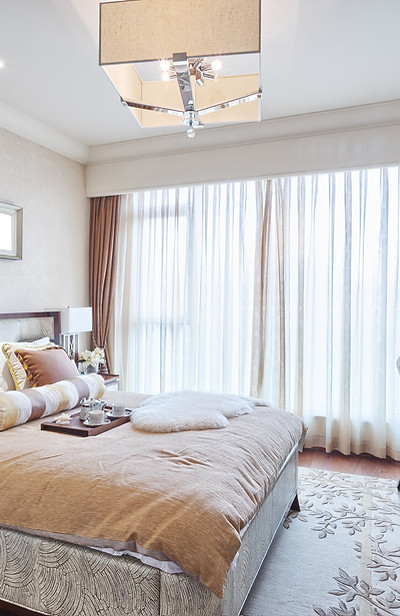
Each room acts as a sanctuary. Lighting, texture, and proportion balance rest with function. Joinery design maximises efficiency without clutter.
-
Shared Spaces
Lounges, restaurants, and wellness areas encourage community without compromising calm. The design language remains consistent across all experiences.
Every element is planned to respond to behaviour — how people use, notice, and inhabit space.

Hospitality and Function
Great design supports seamless operation. Behind the calm of every lobby or suite lies a framework of efficiency.
Back-of-house areas, service routes, and staff amenities must integrate invisibly. In smaller boutique hotels, compact planning ensures staff can multitask without crossing guest paths. In larger hotels, zoning separates public and service circulation for clarity.
When operational systems flow, staff performance improves, and guests experience consistency. The space feels well managed because it was well designed.
Sustainability and Local Craft
Sustainability is integral to modern hospitality in South Australia. The region’s architecture often celebrates passive design, and hotel interiors follow this ethos.
We prioritise:
-
Locally sourced materials such as Adelaide Hills stone, reclaimed timbers, and Australian-made textiles
-
Energy-efficient lighting and ventilation systems tailored for climate.
-
Durable finishes that minimise maintenance and waste.
-
Partnerships with regional suppliers and artisans to reinforce community connection.
Sustainability extends beyond environmental performance — it also includes social and economic responsibility. By collaborating with local craftspeople, we embed authenticity and support circular design practices.
Boutique and Regional Hotels
Adelaide’s charm lies in its balance between city sophistication and regional tranquillity. Boutique hotels in areas such as Kent Town and Norwood often transform historic buildings into contemporary retreats. Each project requires sensitivity — respecting original character while introducing modern comfort.
In the Barossa and McLaren Vale, resort-style accommodations immerse guests in landscape. Interiors in these settings are layered and tactile, drawing on earthy palettes that mirror vineyard hues and horizon light.
By responding to each location’s rhythm, the design becomes an authentic part of the region rather than an imported idea.
How We Work
Designing a hotel interior involves balancing creativity with precision. Our process ensures every stage aligns with vision, performance, and experience.
1
Vision and Brief Development
We begin with conversation — understanding brand objectives, guest profiles, and operational needs.
2
Concept Design
Spatial layouts and visual narratives define mood, tone, and atmosphere. We explore material palettes, light studies, and behavioural patterns.
3
Design Development
Drawings, specifications, and documentation refine the concept into buildable form. FF&E selections integrate seamlessly with architecture.
4
Implementation
We collaborate closely with contractors and procurement teams, maintaining design integrity during construction.
5
Review and Evolution
After completion, we observe guest experience and performance to inform ongoing improvement.
This iterative process blends creativity, technical discipline, and a human understanding of how space shapes memory.
Frequently Asked Questions
What defines Adelaide’s hotel interior design style?
It combines natural light, relaxed material palettes, and refined simplicity. The result is understated luxury that reflects Adelaide’s calm, balanced character.
Do you work with both boutique and large hotels?
Yes. We design for projects ranging from intimate heritage restorations to contemporary multi-level hotels.
How do you reflect local identity in design?
Through materials, craftsmanship, and art that reference Adelaide’s cultural and environmental setting.
Can sustainable design still feel luxurious?
Yes. Sustainability and comfort complement each other when materials and detailing are chosen thoughtfully.
How do you integrate brand within hotel interiors?
By translating brand values into spatial rhythm, lighting tone, and material expression — ensuring identity is consistent but subtle.
Do you design for wine region resorts or coastal retreats?
Yes. Each setting inspires a unique response, balancing location, climate, and guest expectations.
How do you manage functionality with aesthetics?
Operational systems are embedded early in design so efficiency and atmosphere coexist seamlessly.
Can older hotels be redesigned without losing character?
Yes. Sensitive adaptation retains heritage value while introducing new layers of comfort and usability.
What makes Adelaide unique as a hospitality design market?
Its scale and culture encourage authenticity over spectacle. Guests expect design that feels personal, warm, and connected to place.
Why collaborate with COOOP?
Because our design approach focuses on human experience, crafting spaces that express identity through light, texture, and behaviour.